
Did you know? Small businesses that leverage business intelligence platforms grow 5x faster than those who do not
“Small businesses that leverage business intelligence platforms grow 5x faster than those who do not.”

Startling Insights: Why Business Intelligence & Analytics Software Applications and Solutions Matter for Small Businesses
For small businesses, every resource counts and every decision matters. Business intelligence & analytics software applications and solutions provide the clarity required to make data-driven choices that shape success. These platforms compile, analyze, and visualize data from different sources—so owners, managers, and teams can spot trends, cut waste, and discover new growth opportunities that would otherwise remain hidden. Today, the accessibility of tools like Power BI, Tableau, and Google Data Studio means a powerful analytics platform isn’t just for big corporate players. In fact, more and more small enterprises are integrating analytics and business intelligence into their day-to-day, using dashboards and real-time reporting to monitor sales, optimize marketing, streamline inventory, and understand customer behaviors.
What’s more, the intelligence platform market now includes sector-specific tools designed to address unique challenges in industries such as wedding planning, real estate, finance, and project management. Platforms by providers like CHLabs.co.uk go a step further, offering customizable and practical solutions—making analytics not only accessible, but actionable for companies with leaner budgets and staff. Harnessing advanced analytics, these tools automate complex reports, manage data sources, and transform raw numbers into powerful visual stories, empowering small businesses to grow efficiently—and outpace rivals who still rely on intuition alone.
As you consider which analytics platform best fits your business, it’s helpful to understand how a software development agency with expertise in business software can tailor solutions to your unique operational needs. Leveraging a partner with deep experience in custom analytics tools ensures your BI implementation aligns with your sector and growth objectives.
The Rise of Business Intelligence Platforms in Small Business Decision-Making
Historically, business intelligence (BI) was the domain of large enterprises with generous IT budgets. But as cloud computing, easy integrations, and user-friendly interfaces have evolved, the analytics platform landscape transformed. Now, small business owners can deploy affordable, scalable BI tools as easily as high-street chains. These platforms—ranging from all-in-one suites to specialized applications—bring comprehensive data access, real-time insight, and advanced analytics to non-technical users. Using these tools, small business teams track key performance indicators (KPIs), visualize business analytics, and make data-driven decisions directly from their desktop or mobile device. The democratization of business intelligence means less guesswork, better targeting, and stronger competitive positioning—no matter your size!
Adopting a business intelligence platform allows teams to break down silos between sales, marketing, finance, and operations. Instead of isolated spreadsheets and manual processes that slow results, small businesses now benefit from collaborative dashboards and dynamic reporting powered by connected data sources. This shift ensures owners and managers stay lean, agile, and laser-focused on what drives results—the very strengths that define successful startups and local companies.
Analytics and Business Intelligence Software: Revolutionizing Data-Driven Decisions
The evolution of analytics and business intelligence software has transformed how small businesses operate daily. With modern analytics tools, small companies now harness advanced analytics capabilities—like predictive modeling and data visualization—without needing a team of data scientists. Platforms such as Power BI, Tableau, and Google Data Studio streamline everything from gathering data to generating powerful visual reports, so decision makers can respond to trends in real-time and adjust strategies instantly.
More than just reporting tools, these platforms enable users to build reusable data models, automate tedious reporting cycles, and incorporate data from third-party sources or cloud apps. This integrated approach means business users can explore data, uncover opportunities for revenue growth, and identify bottlenecks before they become roadblocks. The impact is profound: whether a retailer tracks daily sales trends, a recruiter monitors placement rates, or a fitness coach evaluates client progress, analytics software delivers clear, actionable insights that accelerate results and growth.
What You’ll Learn About Business Intelligence & Analytics Software Applications and Solutions
- What makes business intelligence & analytics software applications and solutions essential for modern small businesses
- A comparison of leading analytics tools like Tableau, Power BI, and Google Data Studio
- How built-in dashboards, reporting, and advanced analytics drive informed decisions
- Overview of CHLabs.co.uk’s suite of business intelligence platform solutions

Defining Business Intelligence & Analytics Software Applications and Solutions
At their core, business intelligence & analytics software applications and solutions are digital tools that collect, analyze, and visualize business data to provide actionable insights. This category encompasses everything from self-service data visualization apps and ad hoc reporting tools to robust, full-featured analytics platforms built for daily business operation. Whether you call it a business intelligence platform or an analytics tool, the goal remains the same: enable small businesses to make smarter, faster decisions based on real-time facts, not hunches.
Crucially, today’s business intelligence solutions are designed for accessibility as much as capability. Even if you’re not a technical expert, you can still navigate intuitive dashboards, leverage embedded analytics, and use powerful reporting features—thanks to drag-and-drop interfaces and seamless data integration. For small businesses, this means insights once reserved for corporate giants are now right at your fingertips.
Business Intelligence Explained: From Dashboards to Data Visualization
The key advantage? Data visualization—turning complex datasets into simple, powerful visuals that drive better understanding and faster decision-making
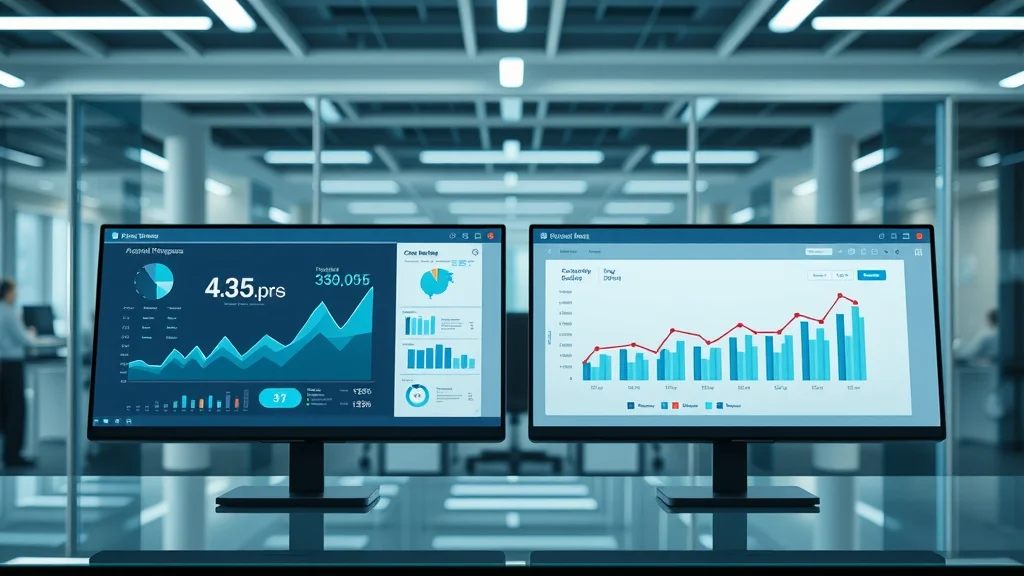
Dashboards are at the heart of every effective BI platform. Customizable and real-time, they allow users to focus attention on the KPIs most critical to their goals—whether that’s sales conversion rates, customer lifetime value, or social media engagement. Paired with data visualization capabilities, even the most complex data model can be presented in an easy-to-understand format, making collaboration and alignment effortless across teams.
Analytics Platform vs. Analytics Tools: Key Differences in Functionality
It’s common to use the terms “analytics platform” and “analytics tools” interchangeably, but key differences matter—especially when choosing what’s right for your business. An analytics platform like Power BI or Tableau offers a comprehensive environment for data management, modeling, visualization, and advanced analytics that can scale with your business needs. These platforms bring together data from multiple data sources, create sophisticated data models, and deliver real-time insights through integrated dashboards, reports, and embedded analytics features.
On the other hand, analytics tools often focus on specific functions or tasks—like generating quick ad hoc charts, running basic data visualizations, or automating report creation for a particular department. While these tools are great for targeted use cases, they can lack the broader functionality, interoperability, and advanced analytics that platforms deliver. In short, platforms grow with your business, whereas standalone tools are often for quick fixes. The decision between them may depend on whether your business needs scalable, all-in-one capabilities or nimble, single-purpose functionality.
The Role of Advanced Analytics in Small Business Success
Advanced analytics—the application of complex algorithms, predictive models, and AI techniques—was once reserved for big-budget enterprises, but is now accessible to small business owners through modern BI tools and analytics platforms. Rather than just describing what happened, advanced analytics help businesses predict what will happen next and prescribe what actions to take, using machine learning and statistical modeling. For example, a small e-commerce retailer can use predictive analytics to anticipate seasonal trends, or a recruiter can employ machine learning to identify candidates who best match job requirements.
The impact of advanced analytic capabilities is profound. By integrating historical and real-time data, small businesses unlock the power to forecast sales, optimize operations, personalize marketing, and minimize risk. Sector-specific solutions, like those from CHLabs.co.uk, package these built-in analytics into ready-to-use modules—reducing implementation time and costs while maximizing results.
“Good data tells the real story of your business, unlocking value you didn’t know existed.” – Industry Expert
How Do Business Intelligence Analysts Use Business Intelligence & Analytics Software Applications and Solutions?
Business intelligence analysts are the bridge between raw data and actionable strategy. Using powerful bi tools such as Tableau, Power BI, Google Data Studio, and Qlik Sense, analysts aggregate data from varied sources—sales platforms, accounting software, CRM systems—and weave them into a single source of truth. The result: business users across every level can access reports, dashboards, and real-time insights tailored to their roles, reducing the time from data collection to decision-making.
Through the use of advanced data access and data model-building techniques, BI analysts create automated workflows, monitor data integrity, and ensure high-quality analytics capabilities reach the whole team. This process helps companies uncover patterns in customer behavior, identify cost-saving opportunities, and make data-backed decisions—turning routine reporting into strategic growth drivers. Embedded analytics further integrate insights directly into everyday business apps, multiplying return on investment and reducing operational friction.
Popular BI Tools: Tableau, Power BI, and Google Data Studio in Action
Among the most popular BI tools—Tableau, Power BI, and Google Data Studio—each offers a unique combination of usability, scalability, and analytics capabilities. Tableau is renowned for its stunning data visualization features and intuitive drag-and-drop dashboard building, making it a favorite for industries with complex reporting needs. Power BI, tightly integrating with Microsoft platforms, excels at combining advanced analytic techniques with real-time cloud data access—ideal for businesses deeply invested in the MS ecosystem. Google Data Studio, meanwhile, is valued for its easy integration with Google apps, rapid dashboard deployment, and no-cost entry—especially attractive for small businesses just starting with analytics platforms.
Each of these platforms enables users to import data sources, automate report creation, and share interactive visual dashboards in moments—eliminating tedious manual processes. Modern BI tools also support machine learning, natural language queries, and mobile-compatible interfaces, so key stakeholders can access critical business anal insights anywhere, anytime. The value is clear: cross-functional teams, from marketing to finance, collaborate faster and more effectively with the right platform in their tech stack.

Embedded Analytics and Interactive Dashboards
Embedded analytics brings the power of data visual and advanced analytics directly into the daily workflows of business users. Instead of logging into a separate BI platform, employees access real-time dashboards, charts, and key metrics within their existing CRM, project management, or e-commerce systems. This frictionless approach amplifies productivity and data-driven decision making, especially in sectors where speed and context matter most—like recruitment consultancies and travel planning firms.
Interactive dashboards take embedded analytics further. They offer actionable insights—letting users drill down into KPIs, filter data visuals, and customize reports to suit their unique objectives. By connecting analytics capabilities directly to frontline operations, small businesses eliminate blind spots and uncover trends in the moment, ensuring every decision is grounded in up-to-the-minute intelligence.
Data Visualization for Clearer Insights
The ability to turn raw data into crystal-clear visuals transforms how small businesses understand trends, spot growth opportunities, and align teams around common goals. Data visualization—through bar charts, heatmaps, scatterplots, or custom infographics—allows anyone in the organization to explore data quickly and reach consensus faster. Dashboards built with platforms such as Tableau, Power BI, or Qlik Sense provide powerful visual representations of complex metrics, making it simple for business users to interpret performance, detect issues, and communicate findings clearly.
Whether reviewing monthly sales, customer journeys, or social media engagement, clear presentation removes ambiguity and speeds up decision making. The result: more informed, agile teams that outperform competitors who rely on static or complex reporting.
Tables: Comparing Top Business Intelligence & Analytics Software Applications and Solutions
Choosing the right business intelligence platform means comparing features, value, and usability. Below is a comparison of three of the top platforms widely adopted by small businesses.
| Platform Name | Key Features | Pricing Model | Usability | Best For |
|---|---|---|---|---|
| Tableau | Stunning data visualization, drag-and-drop dashboards, strong data model support, embedded analytics, broad data source integration | Subscription-based; free trial available | Highly intuitive, steep learning curve for advanced features | Companies needing advanced visualization and cross-source analytics |
| Power BI | Deep Microsoft integration, AI-powered analytics capabilities, robust data management, real-time data access, customizable dashboards | Freemium (basic) and subscription-based (Pro/Premium) | User-friendly, especially for MS Office users | SMBs seeking full-featured, affordable scalable BI |
| Google Data Studio | Free to use, cloud-based interface, seamless Google integration, interactive dashboards, collaborative report sharing | Free | Extremely accessible, best for cloud-first businesses | Startups and companies already using Google Workspace |

Major Features of Business Intelligence & Analytics Software Applications and Solutions
Modern business intelligence platforms are packed with features to empower small businesses. From customizable dashboards to advanced data modeling, these solutions fit a wide spectrum of needs.
Customizable Dashboards for Business Analysis
Dashboards are the nerve center of every advanced analytic setup. Customizable dashboards empower businesses to gather critical KPIs, monitor progress, and share real-time results in one centralized view. Whether you’re a real estate agency tracking lead sources or a wedding planner monitoring bookings and revenue, these dashboards transform raw numbers into targeted insights. Choose from sector-specific templates or design metrics from scratch—making the most of the analytics platform’s flexibility and user-friendly interface.
Interactive controls, chart widgets, and filters allow business users to drill into specific data model slices, toggle between time periods, and compare scenarios in seconds. By giving every team member a window into your business’s actual performance, companies improve alignment, reduce bottlenecks, and adapt quickly to shifting market demands.
Report Automation and Advanced Analytic Capabilities
Report automation streamlines once-tedious, manual tasks—generating up-to-date reports at scheduled intervals, alerting users to anomalies, and sending insights straight to inboxes or team collaboration spaces. These advanced analytic features free up human resources so teams can focus on analysis, not data gathering, and ensure no opportunity slips through the cracks. Businesses that rely on regular reporting cycles, such as finance or recruitment, save hours of labor each week while improving reporting accuracy and timeliness.
Modern advanced analytics functions—including forecasting, anomaly detection, machine learning, and natural language queries—are now built directly into leading bi tools. This means even small companies can access enterprise-level functionality, apply predictive models, and simulate different business scenarios—all without hiring an in-house data science team. With robust data management, you can trust your insights are reliable and actionable.
Integrating BI Tools with Existing Data Sources
One strength that separates a true business intelligence platform from isolated analytics tools is seamless data integration. Modern BI solutions connect with an ever-expanding ecosystem—accounting software, CRMs, e-commerce systems, cloud services, and even spreadsheets—uniting disparate data sources into a cohesive analytics environment. Whether via built-in connectors or custom API integrations, this connectivity means all your business anal data is available, updated, and analyzed in real time.
For example, a project management firm may integrate their scheduling app, email marketing platform, and financial reporting tools to create a unified dashboard displaying project timelines, resource allocation, and profitability. CHLabs.co.uk’s solutions excel here, offering connectors that bring together industry-specific and general data feeds, so businesses always work from the most complete, up-to-date information available.

Security and Compliance in Business Analytics Tools
Protecting sensitive business and customer data is paramount. Leading analytics tools and business intelligence platforms now feature enterprise-grade security, including user authentication, access controls, encryption at rest and in transit, and audit logging. Solutions by CHLabs.co.uk, Tableau, and Power BI all prioritize compliance with regulation frameworks such as GDPR, HIPAA, and more, ensuring your business not only gains insights but does so responsibly.
Key security features also include two-factor authentication, data anonymization, and automated compliance reporting—vital for sectors handling confidential information, such as finance or healthcare. When evaluating a new intelligence platform, it’s wise to demand robust security protocols and review their data management policies closely.
- Real-time analytics
- Data model building
- Mobile compatibility
- Cloud deployment
- Advanced security features

Business Intelligence & Analytics Software Applications and Solutions by Sector: CHLabs.co.uk
Recognizing that each industry faces unique data challenges, CHLabs.co.uk by Capid Houser has developed sector-tuned BI tools for wedding planning, real estate, finance, recruitment, project management, and more. These solutions are crafted to address specific workflows, compliance requirements, and success metrics—offering both ready-to-deploy applications and customizable modules to fit specialized needs.
For instance, wedding planning solutions centralize customer preferences, event scheduling, and vendor performance into stunning dashboards that drive efficient project execution. Real estate tools monitor property trends, agent performance, and lead source ROI, while finance-focused applications automate budget tracking, cash flow forecasting, and regulatory reporting. This tailored approach means small businesses don’t just get a generic analytics platform—they gain a growth partner uniquely suited to their sector.
Market-Specific BI Tools: Wedding Planning, Real Estate, Finance and More
Every sector deals with distinct data structures, key performance indicators, and compliance factors. CHLabs.co.uk specializes in developing business intelligence & analytics software applications and solutions that target these nuances. Wedding planners can now manage client pipelines, supplier rating analytics, and event budget forecasting—all via interactive dashboards. Real estate agents benefit from market movement dashboards, lead scoring, and commission tracking tools that deliver deeper market awareness.
Providers for recruitment, finance, travel planning, and fitness coaching similarly enjoy tools built with their workflows in mind—making the leap from static spreadsheets to actionable, data-driven insights that empower whole teams. These comprehensive, out-of-the-box solutions speed up deployment and let users make data-driven decisions from day one.

How Project Management and Recruitment Firms Benefit from Intelligence Platforms
Project management and recruitment companies thrive on tracking tasks, deadlines, and resource efficiency. With a specialized intelligence platform, these businesses automate milestone tracking, monitor candidate pipelines, and predict resource bottlenecks—all from real-time dashboards. Embedded analytics trigger instant alerts for overruns or missed deadlines, while advanced reporting supports continuous improvement.
For recruitment consultants, integrating multiple job boards, CRMs, and candidate assessment tools into a single analytics environment creates a transparent, performance-driven culture. Automating report cycles and providing mobile accessibility means agencies spend less time on admin and more on strategic placements, driving up revenue and client satisfaction alike.
Ready-To-Deploy Business Intelligence Solutions for Any Industry
While sector-tuned capabilities are critical, the versatility to deploy across any industry is what truly powers growth. CHLabs.co.uk offers ready-made software solutions designed to be rapidly implemented by businesses of all sizes. These preconfigured applications include customizable templates, robust analytics capabilities, and a scalable architecture to accommodate evolving company needs. Whether you’re in newsletter creation, travel services, or fitness coaching, there’s a BI application built for you.
Ready-to-deploy means faster time to ROI, fewer headaches during onboarding, and turnkey support from industry experts. Plus, ongoing updates and technical assistance ensure your solution remains current, compliant, and competitive as your business scales.
“Opt for a business intelligence platform that adapts to your changing market, not the other way around.” – Capid Houser Expert
Making the Case: The Return on Investment for Business Intelligence & Analytics Software Applications and Solutions
The main goal for any business intelligence & analytics software applications and solutions investment is to maximize output and minimize waste. By equipping your company with real-time access to analytics and business intelligence, you empower better planning, quicker pivots, and increased revenue—all while controlling costs. Studies regularly show businesses with BI tools outperform peers by delivering faster insights and more consistently hitting growth targets.
The net result? Improved accuracy in forecasting, less money wasted on ineffective strategies, and more time devoted to innovation
Maximizing Business Outcomes with Data-Driven Insights
Adoption of business intelligence platforms leads to immediate business benefits from deeper customer understanding to smarter resource allocation. With clear, actionable insight, businesses shift from reactive to proactive—anticipating market trends, tracking competitor moves, and delivering value faster. Data-driven insights support more informed negotiations with suppliers, precision marketing, and even stronger employee engagement, as everyone has clarity on what moves the needle.
Moreover, by shortening the path from data to action, small businesses dramatically boost productivity. Automated reporting cycles and collaborative dashboards let teams focus on strategic work rather than data wrangling, increasing the chances of capturing market opportunities as soon as they arise.

Reducing Costs and Driving Revenue Growth with Embedded Analytics
Embedded analytics transforms daily operations by catching inefficiencies, highlighting what’s working, and automating repetitive reporting. This not only saves time but also dramatically reduces operational costs. Companies leveraging embedded analytics often see marked improvement in forecasting accuracy, as real-time insights replace lagging indicators. With all critical reports available at a glance, teams can stay focused on delivering value, not chasing outdated spreadsheets.
Higher employee productivity flows from better access to business anal insights—reducing delays, eliminating redundant tasks, and encouraging data-informed collaboration. Most importantly, deeper customer insights help brands tailor offerings, boost satisfaction, and grow their share of wallet. When small businesses harness these capabilities, every penny spent on BI tools translates into measurable ROI.
- Improved forecasting accuracy
- Higher employee productivity
- Deeper customer insights
- Reduced reporting cycles
Evaluating the Best Business Intelligence & Analytics Software Applications and Solutions
With so many BI tools and analytics platforms available, it’s critical to select the right option for your business’s needs—and future growth.
Key Selection Criteria: What to Look For in BI Tools
To ensure you maximize results from your analytics investment, prioritize tools that offer robust security, built-in scalability, customizable dashboards, and strong customer support. Look for an intuitive, user-friendly interface that enables users across all departments to access, create, and interpret data visualizations with ease. Integration with existing data sources should be seamless, avoiding data silos and supporting a unified analytics strategy throughout your company.
Scalability is crucial, especially as your data grows and your business adds more users or seeks out new markets. BI tools should also allow for rich personalization—enabling each user or department to tailor their metrics and reporting views according to specific goals. Finally, ongoing support and clear onboarding resources are essential for a smooth rollout and continuous optimization of your BI platform.
Comparing Traditional BI Approaches to Modern Analytics Platforms
Traditional BI systems required IT-heavy implementation, lengthy data preparation, and often produced static, dated reports. Their value to fast-moving small businesses was limited. Modern analytics platforms flip the script—delivering cloud-based, self-service analytics with real-time data access, agile data models, and interactive dashboards. These innovations serve teams that need to respond instantly—not weeks after a report is requested.
Current platforms like those from CHLabs.co.uk support natural language queries, integrated AI, and real-time mobile alerts—opening up advanced analytics to all business users. The move from traditional BI to modern analytics software delivers a faster, more flexible, and more democratized approach to business intelligence, suitable for small and growing organizations that value speed and insight over complexity.
- User-friendly interface
- Scalability
- Personalized dashboards
- Comprehensive support
Why Small Businesses Need Business Intelligence & Analytics Software Applications and Solutions
As competition increases and data volumes grow, small businesses cannot afford to leave growth to chance. The need for accurate, timely insights is universal—regardless of industry. Business intelligence & analytics software applications and solutions empower even the leanest teams to operate with the sophistication of much larger enterprises, leveling the playing field and opening new market opportunities.
By arming all team members with data-driven insights, organizations shift from reactive to proactive, countering trends and customer shifts before they impact revenue. In short: business intelligence is not a luxury, but a necessity for small business survival and prosperity in a digital-first world.
Overcoming Common Challenges with Intelligence Platforms
Despite the proven benefits, common barriers often hold small businesses back—concerns about cost, data complexity, or onboarding. The good news is that modern BI platforms, such as those by CHLabs.co.uk, specifically address these concerns with accessible pricing, easy setup, and robust customer support. Cloud solutions eliminate upfront infrastructure costs, and low-code/no-code interfaces mean business users spend more time analyzing and less learning.
With pre-built data integrations and scalable licensing, risk is minimized and adoption is accelerated—helping you see value quickly without lengthy IT investments.
Empowering Teams with Analytics and Business Intelligence Tools
When every member of your business can engage with analytics tools, data literacy rises, innovation flourishes, and departments align more tightly around shared objectives. Modern business intelligence and analytics solutions empower everyone—from frontline sales staff to executive leadership—to spot trends, plan more accurately, and execute with confidence.
Training, interactive guides, and mobile-enabled dashboards ensure insights are never out of reach, supporting a culture of transparency and relentless improvement as your organization grows.
People Also Ask: Business Intelligence & Analytics Software Applications and Solutions
What are business analytics and business intelligence solutions?
Comprehensive overview of business intelligence & analytics software applications and solutions, their functions and applications.
Business analytics and business intelligence solutions are software platforms and tools that allow organizations—both large and small—to turn raw business data into actionable insights. They collect, process, and visualize data from various sources, offering real-time dashboards, automated reports, and advanced analytics. By making complex analysis accessible without deep IT skills, they empower users to improve processes, forecast trends, and support better decision making in everyday business operations.
What software do business intelligence analysts use?
Explanation of common analytics tools and business intelligence platforms, like Tableau, Power BI, and Google Data Studio.
Business intelligence analysts commonly use leading BI tools including Tableau for advanced data visualization, Microsoft Power BI for seamless integration with business systems and powerful analytics, and Google Data Studio for easy, cloud-based dashboarding. Other popular options include Qlik Sense and CHLabs.co.uk’s sector-specific solutions. These platforms enable users to aggregate data, build interactive dashboards, and share insights across teams to support fast, informed decision making.
Is business intelligence a high paying job?
Analysis of market demand, average salaries, and career prospects for roles involving business intelligence & analytics software applications and solutions.
Yes, business intelligence is considered a high-paying field. Demand for BI professionals continues to grow as organizations invest in digital transformation and analytics. Average BI analyst salaries range from £35,000 to £70,000 in the UK (and $65,000 to $110,000 in the US), with specialist roles in advanced analytics or platform architecture commanding even higher wages. As data-driven culture spreads, career prospects in BI, data modeling, and analytics platforms remain exceptionally strong.
What are the 4 types of business analytics?
Description and examples of descriptive, diagnostic, predictive, and prescriptive analytics within business intelligence platforms.
The four main types of business analytics are:
- Descriptive analytics (what happened?): Visualizing historical data using dashboards and reports.
- Diagnostic analytics (why did it happen?): Identifying root causes with drill-down analysis.
- Predictive analytics (what is likely to happen?): Using machine learning and forecasting models to predict trends.
- Prescriptive analytics (what should be done?): Recommending optimal actions via simulations and scenario analysis.
Modern BI platforms like those from CHLabs.co.uk support all four types—ensuring small businesses can both understand and shape their future.
Frequently Asked Questions About Business Intelligence & Analytics Software Applications and Solutions
- How secure is my business data with BI tool deployment?
Leading BI solutions use industry-standard encryption, access controls, and compliance certification to protect your data at all times. - Can business intelligence analytics tools integrate with cloud services?
Yes. Modern BI and analytics platforms offer native integration with most cloud apps, streamlining data flow for small businesses. - What is embedded analytics, and is it suitable for small businesses?
Embedded analytics integrates dashboards and analytics tools directly into your existing business apps—making insights more accessible and usable, even for lean teams.
Key Takeaways: Business Intelligence & Analytics Software Applications and Solutions
- Business intelligence & analytics software applications and solutions are vital for small business growth.
- Choosing an analytics platform tailored to sector needs enhances decision-making and competitiveness.
- CHLabs.co.uk by Capid Houser provides ready-made, secure, and scalable BI tools for diverse industries.
Next Steps: How to Get Started with Business Intelligence & Analytics Software Applications and Solutions
Implementing the Right BI Platform for Your Small Business
Begin by identifying your critical data sources, key metrics, and reporting needs. Engage with solution providers—like CHLabs.co.uk—that offer free consultations, sector-specific demos, and tailored onboarding. Assess scalability, ease of use, and integration capabilities before deploying your chosen business intelligence platform. Ensure staff training and continuous support to maximize your return on investment.
Free Consultation and Custom Demo from CHLabs.co.uk
Ready to accelerate growth through data? Visit CHLabs
Summary and Recommendations for Business Intelligence & Analytics Software Applications and Solutions
Final Thoughts: Why Every Small Business Needs a Modern Business Intelligence Platform
Accelerate your growth and prepare for tomorrow—adopt a modern business intelligence platform tailored to your unique goals and industry. With advanced analytics, intuitive dashboards, and robust security, the right solution propels your business forward, putting vital insights at everyone’s fingertips.
Explore the Full Range of Business Intelligence & Analytics Software Applications and Solutions at CHLabs.co.uk
Discover ready-to-deploy, secure, and scalable software built for any sector—wedding planning, real estate, finance, project management, and more. CHLabs.co.uk, powered by Capid Houser, delivers proven analytics and business intelligence solutions trusted by hundreds of small businesses just like yours.
If you’re ready to take your business intelligence journey even further, consider exploring how a comprehensive business software development strategy can future-proof your operations and drive innovation. By integrating advanced analytics with custom-built solutions, you position your business to adapt quickly, scale efficiently, and stay ahead in a rapidly evolving digital landscape. Unlocking the full potential of your data is just the beginning—discover how tailored software can transform your business processes and set the stage for long-term success. Dive deeper into the possibilities and see how expert guidance can elevate your analytics approach to the next level.
To access the complete suite of business intelligence & analytics software applications and solutions for your business, visithttps://www.chlabs.co.uk/to learn more about Multi Platform Software Solutions For Marketing & Business Development.
Take action now: Empower your business with a modern analytics platform, tailor it to your sector, and turn data into lasting growth. Visit CHLabs.co.uk today and book your free consultation.
Sources
- Tableau: What is Business Intelligence?
- Microsoft Power BI
- Google Data Studio
- CHLabs.co.uk – Business Intelligence & Analytics Solutions
- Capterra: Top Business Intelligence Tools
- Gartner Glossary: Business Intelligence
To further enhance your understanding of business intelligence and analytics software applications and solutions, consider exploring the following resources:
-
“Business Intelligence and Analytics TOP 10 Software”: This article provides a comprehensive overview of the top BI and analytics tools, detailing their features and suitability for various business needs. (dataprix.com)
-
“Best Business Intelligence Software 2019”: This resource offers insights into leading BI software options, highlighting their capabilities and how they can benefit organizations. (cio.com)
These resources offer valuable insights into selecting and implementing the right BI tools to drive your business’s growth and efficiency.
